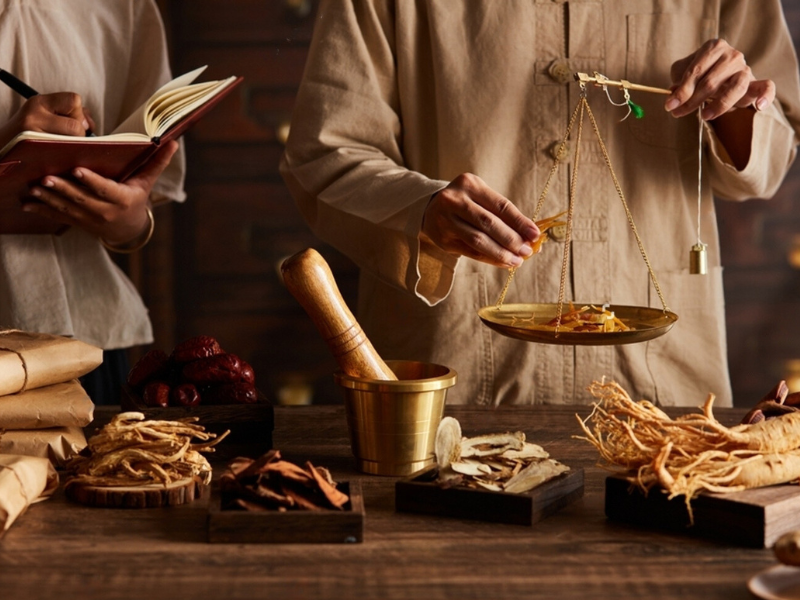
Herbal Mojo's Natural Ingredients
| Herb Name | Amount | Origin | Traditional Use |
|---|---|---|---|
| Eurycoma Longifolia (Tongkat Ali) | 154 mg | Southeast Asia | Traditionally used in Malaysia as a tonic for energy and male libido. |
| Saw Palmetto | 24.5 mg | Southeastern USA | Traditionally used for prostate and urinary comfort. Not supported by rigorous studies. |
| Xanthoparmelia Scabrosa | 49 mg | Australia, New Zealand | A lichen used in male sexual health supplements. No published human trial. |
| Ginkgo Biloba | 49 mg | China | Traditionally used to support circulation. |
| Horny Goat Weed (Epimedium) | 24.5 mg | China, Korea | Contains icariin, studied in the laboratory as a PDE-5 inhibitor. |
| Cnidium Monnieri | 24.5 mg | China, Southeast Asia | Traditionally used to support male sexual health. |
| Tribulus Terrestris | 24.5 mg | Mediterranean, India | Traditionally associated with libido and stamina. |
| Total per capsule | 350 mg | ||
-
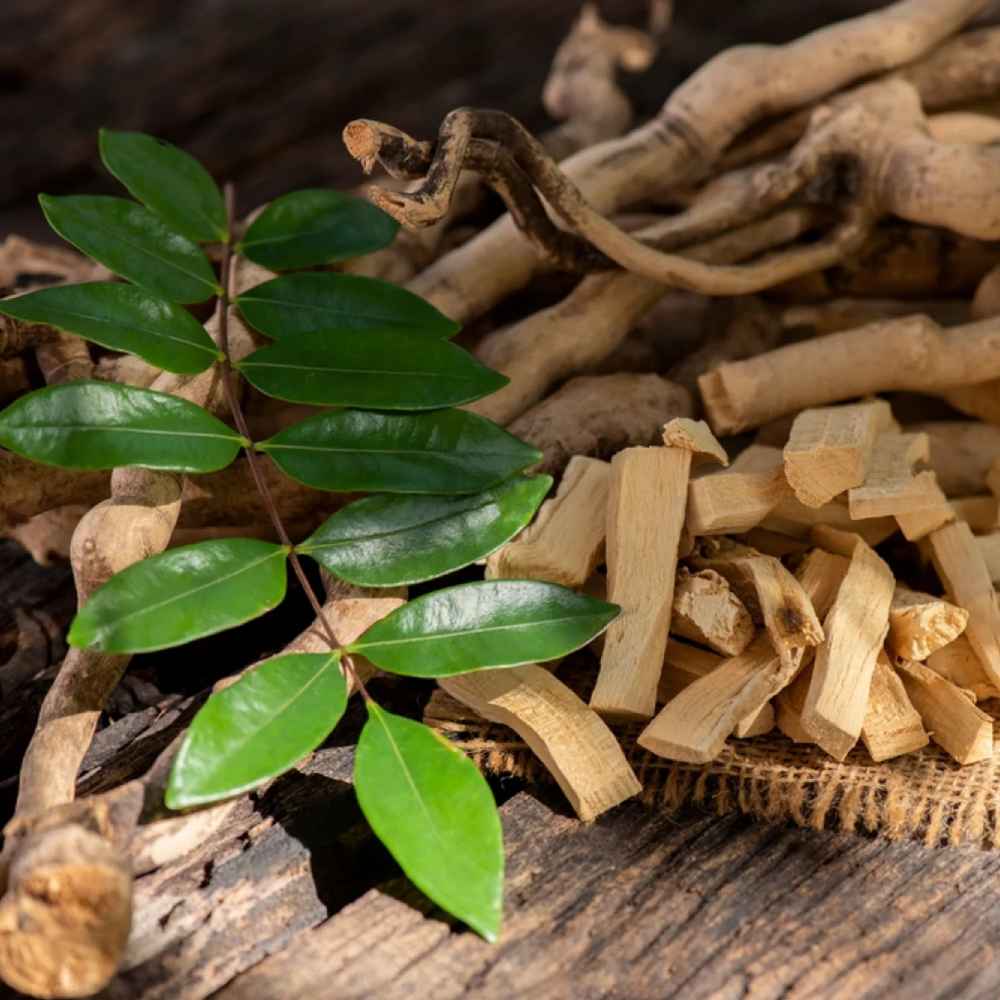
Eurycoma Longifolia, 154mg
Also known as Tongkat Ali, Eurycoma Longifolia is a shrub native to Southeast Asia. Its root has long been used in Malaysia as a tonic for energy and male libido. It is the largest single ingredient in the formula.
Ismail et al. (2012) ran a 12 week randomised, double-blind, placebo-controlled trial in 109 men aged 30 to 55, using 300mg daily of a freeze-dried water extract of the root. The extract group scored higher than placebo on the erectile function domain of the IIEF questionnaire, and libido scores rose 14% by week 12.
Kotirum et al. (2015) pooled the two placebo-controlled trials then available, 139 men in total, and found no significant overall difference in IIEF-5 scores at week 12. An improvement showed only in men with lower starting scores, and the authors concluded more trials are needed.
-
Saw Palmetto, 24.5mg
Also known as Serenoa Repens, Saw Palmetto is a small palm tree native to the southeastern United States, used for centuries by Native Americans as a traditional remedy for prostate support.
The evidence in men is not favourable and we would rather you heard it from us. The NIH National Center for Complementary and Integrative Health states that rigorous studies do not support saw palmetto for benign prostatic hyperplasia or for any other condition.
The CAMUS trial, published in JAMA in 2011, escalated 369 men from 320mg to 960mg daily over 72 weeks. Urinary symptom scores fell by 2.20 points on saw palmetto against 2.99 on placebo, so the placebo group did marginally better.
Saw Palmetto is in the formula for its traditional association with prostate health, not on the strength of clinical outcomes.
-
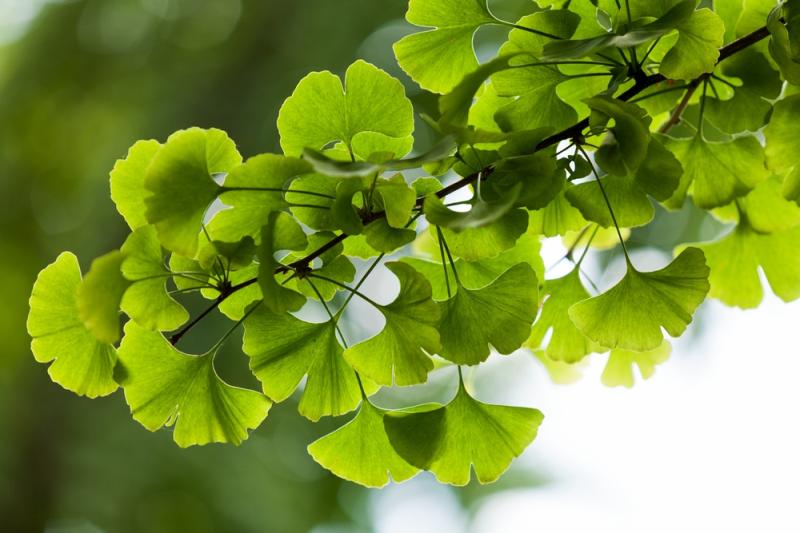
Ginkgo Biloba, 49mg
Ginkgo Biloba is one of the oldest living tree species and one of the most extensively studied herbal extracts in the world. It has been used for centuries in traditional Chinese medicine and is widely associated with circulation.
Cohen and Bartlik (1998) reported an 84% response rate across 63 patients, 76% in the 30 men and 91% in the 33 women. That was an open trial with no placebo group, in patients whose sexual dysfunction was caused by antidepressant medication.
Later placebo-controlled trials have not consistently reproduced that result, so the finding should be read as preliminary rather than established.
-
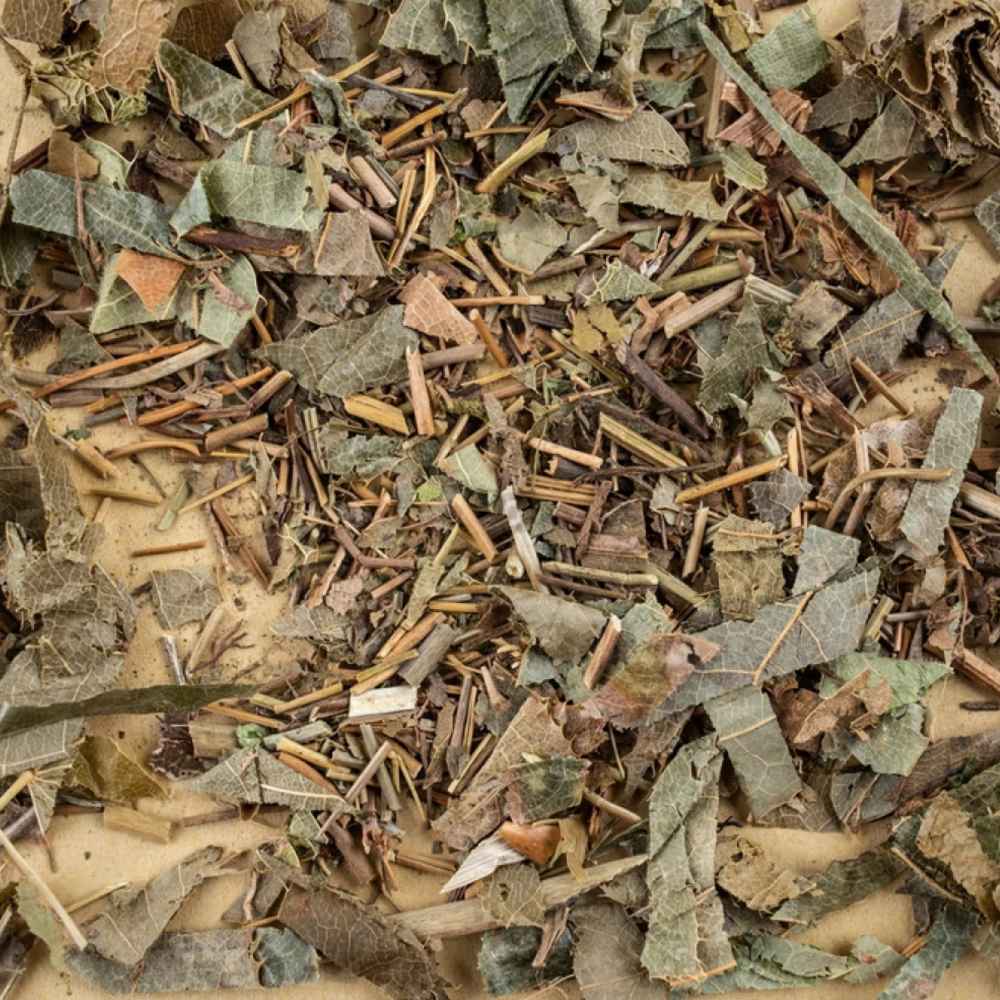
Horny Goat Weed, 24.5mg
Also known as Epimedium, this herb has a long history of use in traditional Chinese medicine in the context of male sexual health.
Its primary active compound is icariin. Xin et al. (2003) identified icariin as a cGMP-specific PDE5 inhibitor in an enzyme assay, reporting an IC50 of 0.432 micromolar against PDE5 isolated from human platelet, with papaverine rather than sildenafil as the comparator.
Dell'Agli et al. (2008) measured icariin against human recombinant PDE5A1 at an IC50 of 5.9 micromolar, roughly eighty times weaker than the 74 nanomolar they measured for sildenafil in the same run, and found that a modified derivative closed that gap.
Both are laboratory enzyme studies, not trials in men. The compound that approached sildenafil was a synthetic derivative rather than icariin itself, and the two assays disagree on icariin by more than tenfold, which is a reason for caution rather than confidence.
-
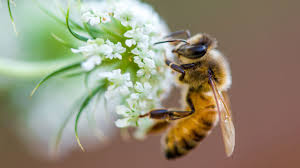
Cnidium Monnieri, 24.5mg
Also known as she chuang zi in Chinese, Cnidium Monnieri is a herbaceous plant native to China and parts of Southeast Asia. It has been used for centuries in traditional Chinese medicine in the context of male sexual health.
The herb contains active compounds including osthol, imperatorin and bergapten.
Chiou et al. (2001) tested four coumarins from Cnidium Monnieri on isolated rabbit corpus cavernosum tissue and found all four produced a relaxing effect. That is a laboratory study on animal tissue, not a trial in men, and it did not test PDE5 inhibition.
Traditional use is not evidence of effect, and no human trial of Cnidium Monnieri for erectile function has been published.
-
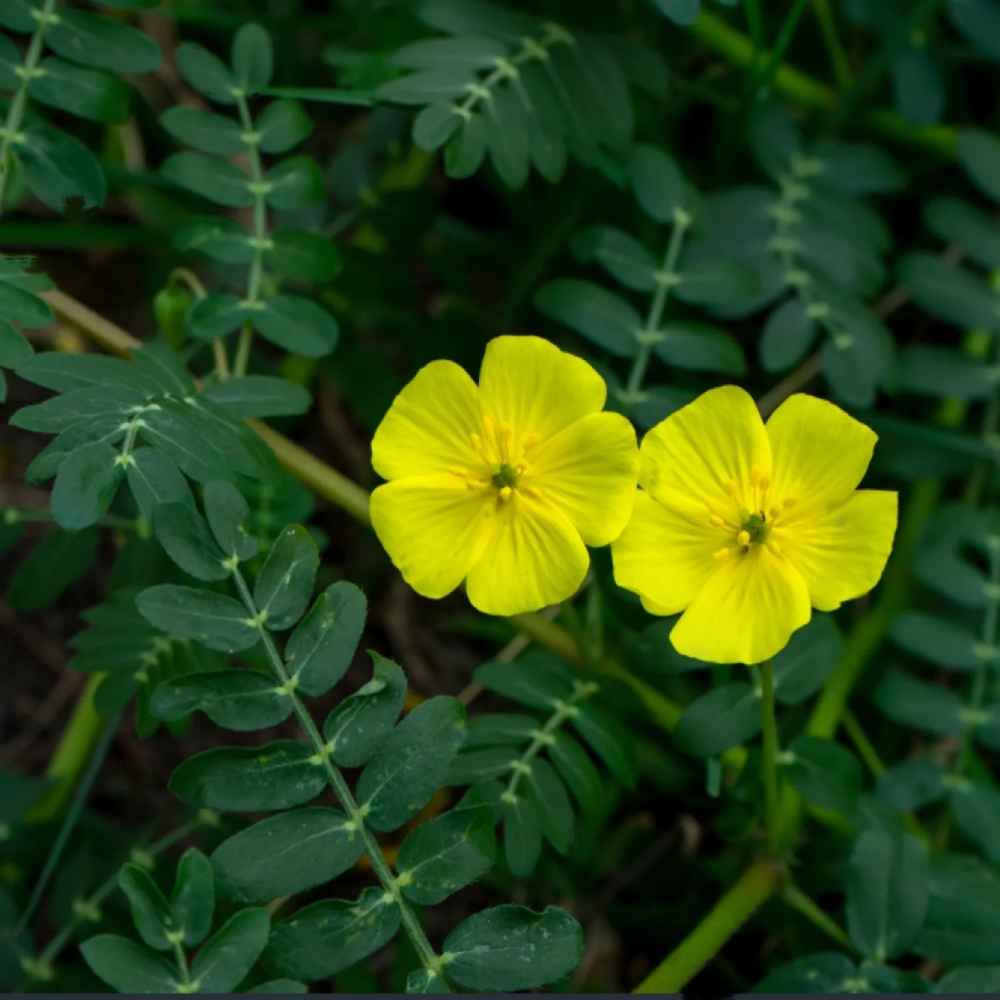
Tribulus Terrestris, 24.5mg
Tribulus Terrestris has a long history of traditional use across the Mediterranean and South Asia in the context of male sexual function. It contains steroidal saponins, flavonoids, alkaloids and glycosides.
Kamenov et al. (2017) ran a randomised, double-blind, placebo-controlled trial in 180 men aged 18 to 65 with mild to moderate erectile dysfunction, and found a significant improvement in erectile function and satisfaction against placebo over 12 weeks. Serum testosterone was not among the reported outcomes, so that trial neither supports nor refutes the traditional association with testosterone.
A 2025 systematic review and meta-analysis assessed the wider Tribulus literature and judged the evidence insufficient. Trial doses in the published literature typically run from 400mg to 750mg daily.